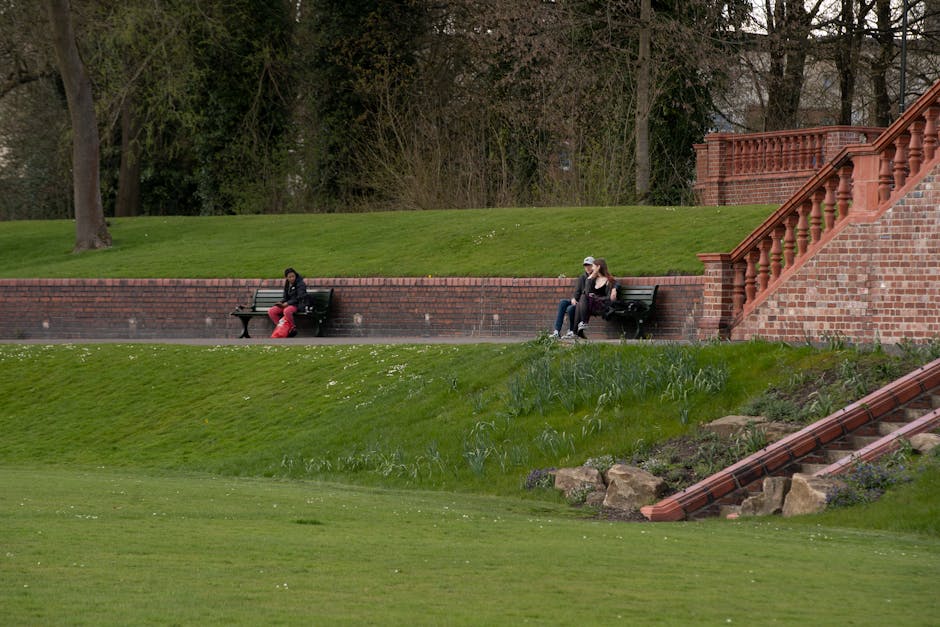
Horniman Museum area gardeners for sloped garden jobs: practical help for tricky gardens
If you live near the Horniman Museum and your garden leans, drops, or simply feels like a small hillside, you already know the basics: mowing takes longer, planting is fussier, and anything involving soil has a habit of sliding back downhill. That is exactly where Horniman Museum area gardeners for sloped garden jobs come into their own. They know how to work with gradient, drainage, access, and the awkward bits that turn a simple tidy-up into a proper outdoor project.
This guide explains what sloped garden work involves, why it matters, and how to choose the right approach for your space. We will cover the common risks, the practical steps, the best methods for safer results, and the kind of jobs that usually benefit from specialist support. If you have ever looked at a bank, terrace, or uneven back garden and thought, "Where on earth do I start?" - you are in the right place.
For homeowners who want help with maintenance, planting, clearance, or a full layout rethink, it is worth understanding the wider service picture too. You may find it useful to look at the full services overview, or explore related support such as landscaping, landscape gardening, and regular garden maintenance.
Table of Contents
- Why Horniman Museum area gardeners for sloped garden jobs matters
- How sloped garden work works
- Key benefits and practical advantages
- Who this is for and when it makes sense
- Step-by-step guidance
- Expert tips for better results
- Common mistakes to avoid
- Tools, resources and recommendations
- Law, compliance, standards, or best practice
- Options, methods, or comparison table
- Case study or real-world example
- Practical checklist
- Conclusion
- Frequently asked questions
Why Horniman Museum area gardeners for sloped garden jobs Matters
Sloped gardens are not just "flat gardens with a bit of a tilt". They behave differently. Water runs faster, soil shifts more easily, access can be awkward, and a small maintenance job often takes longer than it would on level ground. Around the Horniman Museum area, where homes and plots can vary quite a bit in shape and height, those differences quickly become real-world problems.
A slope changes how a garden is used day to day. A lawn might look tidy from the patio but feel slippery underfoot after rain. A flower bed can dry out at the top while staying heavy and wet at the bottom. Even a simple hedge trim may need extra planning if the working ground is uneven or narrow. To be fair, that is why "standard gardening" sometimes falls short. The job needs a steadier hand and a more thoughtful method.
Good sloped garden work is about more than appearance. It is also about safety, drainage, plant health, and making the space easier to live with. If the slope is ignored, problems usually compound: water tracks carve channels, mulch slides, edging loosens, and paths become awkward or worn down. With the right approach, though, a sloped garden can become one of the most characterful parts of a property.
There is also a practical comfort factor. A well-managed slope means less worry when it rains, fewer trip hazards, and a garden that feels usable rather than "managed only when absolutely necessary." That matters if you are planning anything from a tidy seasonal refresh to a longer-term redesign.
How Horniman Museum area gardeners for sloped garden jobs Works
Working on a slope usually starts with assessment. A good gardener will look at the gradient, how water moves, where the sun hits, what the access is like, and what the current surface is doing. That first look is important because it shapes the whole plan. A steep bank with loose soil needs a different approach from a gentle incline with mature planting and solid borders.
From there, the work normally falls into one or more of these categories:
- Maintenance - mowing, pruning, weed control, light clearance, and keeping paths and edges usable.
- Stabilisation - improving soil retention, adding edging, choosing stronger planting, or reducing runoff.
- Access improvement - creating safer routes, steps, terraces, or level work zones.
- Redesign - reshaping the garden so the slope becomes a feature rather than a daily headache.
In practice, a gardener may start with cleanup work, then move into more structural jobs. For example, if a sloping garden is cluttered with old growth and uneven debris, a garden clearance service may come first so the space can be properly assessed. After that, targeted maintenance or landscaping can follow without fighting through a mess of branches, broken edging, and hidden dips in the ground. Simple enough in theory. Messier in real life, obviously.
For bigger or more difficult sites, it often helps to think in phases rather than one all-at-once overhaul. That keeps the project manageable and lets you see what actually works before committing to the next stage. A steep garden can be a bit like a raincoat pocket - things disappear into it unless you keep a handle on the details.
Key Benefits and Practical Advantages
Hiring experienced gardeners for sloped garden jobs can save time, reduce risk, and produce a much better long-term result. The benefits are not just visual, though a neat, balanced slope can look lovely. The real gains are practical.
- Safer working conditions - less chance of slips, awkward lifting, or poor footing.
- Better water management - thoughtful planting and shaping reduce erosion and puddling.
- Improved access - steps, borders, or level areas make the garden easier to use.
- Healthier planting - the right species and layout help roots hold the soil in place.
- Less ongoing maintenance stress - a well-designed slope is easier to keep tidy.
Another big advantage is judgement. You do not always want to "fix" a slope completely. Sometimes the best result is to work with it, not against it. A flowing bank with drought-tolerant planting might be more attractive and easier to care for than a series of overbuilt solutions that fight the land. That is where local experience matters. You want someone who knows when to simplify, when to reinforce, and when to leave a feature alone because it is already doing the job well.
There is also the time-saving angle. A garden on a slope can eat up weekend energy very quickly. One afternoon of edging and tidying becomes two afternoons of balancing, reworking, and recovering. If you want the garden to stay usable rather than becoming a monthly battle, getting the layout and maintenance rhythm right is a genuine win.
Expert summary: On sloped gardens, the best outcome is usually not the most dramatic one. It is the one that manages water, soil, access, and upkeep without making the garden feel over-engineered.
Who This Is For and When It Makes Sense
Not every sloped garden needs a full redesign. Some just need a clean-up and a smarter maintenance plan. Others need proper hard landscaping, drainage thinking, or planting changes. The key is knowing which camp you are in.
This type of work makes sense if any of the following sound familiar:
- you struggle to mow or maintain a bank safely;
- soil keeps washing away after heavy rain;
- plants at the top keep drying out while the bottom stays soggy;
- the garden feels too difficult to use, especially with children or older visitors;
- you want to improve the look of the space without creating more maintenance;
- you have inherited a garden that was never really planned for its slope.
It also makes sense if you are preparing a property for sale or letting and the outdoor space needs to look orderly without becoming a huge project. In those cases, people often combine sloped-garden work with garden maintenance and sometimes hedge trimming to tidy the overall feel of the space.
Families, older homeowners, landlords, and busy professionals all tend to value this kind of support for slightly different reasons. Families want safer access. Landlords want presentation and practicality. Busy households often just want the job done properly, once, without spending every spare hour chasing runoff and weeds. Fair enough really.
Step-by-Step Guidance
If you are thinking about improving a sloped garden near the Horniman Museum area, here is a sensible way to approach it.
- Assess the slope honestly. Is it gentle, moderate, or steep? Does it get slippery? Are there visible signs of erosion?
- Note the pain points. Focus on access, drainage, mowing, planting failures, and anything that feels unsafe or awkward.
- Clear the space. Remove loose debris, dead growth, and old clutter so the ground can be evaluated properly.
- Decide the main objective. Do you want easier maintenance, a better-looking garden, more useable space, or a full redesign?
- Choose the right method. This might mean planting, terracing, edging, steps, pathwork, or a mix of several things.
- Plan for drainage and soil retention. These are often the make-or-break details on a slope.
- Use suitable plants and surfaces. Deep-rooted or spreading plants often work better than high-maintenance choices that need constant intervention.
- Put maintenance into the plan. The garden should remain manageable after the initial work is done.
If the job includes bigger structural changes, a properly scoped landscaping project may be more appropriate than piecemeal fixes. That can include retaining features, levelled areas, or garden zones that are easier to live with on a day-to-day basis. On one of those wet London mornings, when the ground is slick and the boots are muddy before you have even started, you really feel the value of that planning.
The useful trick here is not to rush to the shiny bit first. Handle the slope's behaviour, then its look. If you reverse that order, you often end up redoing work later. Nobody enjoys that. Nobody.
Expert Tips for Better Results
There are a few habits that consistently improve outcomes on sloped garden jobs.
- Work with contours. Planting and edging that follow the land often look more natural and hold together better.
- Use ground cover strategically. Covering bare soil helps reduce runoff and keeps weeds down.
- Break large slopes into zones. Small terraces or stepped areas are usually easier to maintain than one continuous steep section.
- Keep access paths simple. Twisty routes can look nice, but they should still feel secure underfoot.
- Choose low-fuss planting where appropriate. The right plant, in the right place, saves a lot of future maintenance.
- Think about where cuttings and water go. A tidy slope can quickly become messy if you do not manage the flow of material during maintenance.
Another useful tip: do not ignore the edges. On sloping sites, edges and borders often fail first because they take the strain of movement. A neat border that can actually hold its shape is better than a fussy one that falls apart by winter. You will notice this especially after heavy rain.
If your garden has mature shrubs or small trees on a bank, it may also be worth considering safe pruning or removal as part of the wider plan. A service such as tree lopping and removal can be relevant where overgrowth is affecting light, stability, or access. Of course, that needs careful judgement. Not every tree is a problem, and not every problem tree needs taking out.
Common Mistakes to Avoid
Sloped gardens tend to punish rushed decisions. Here are the mistakes that come up again and again.
- Ignoring drainage. Water is the quiet troublemaker. If it is not managed, it will eventually manage you.
- Using the wrong plants. Shallow-rooted or fragile planting may struggle to establish on a moving slope.
- Overcomplicating access. Fancy solutions are not always practical if the ground is narrow or uneven.
- Skipping soil preparation. Poor soil structure makes erosion and plant failure more likely.
- Doing everything at once. A phased approach often gives a better result and fewer regrets.
- Underestimating maintenance. Even a beautiful sloped garden needs a realistic upkeep plan.
One common slip is assuming the steepest part needs the most decoration. Sometimes it needs the simplest solution. A bank covered with tough, practical planting can look far better than an ambitious design that starts collapsing after its first proper downpour. Truth be told, gardens are usually honest about this sort of thing.
Another mistake is forgetting the human side. If people need to carry tools, bins, compost, or even a child's football up and down the slope, the garden must support that use. Beauty matters, but the garden still has to work on a Tuesday afternoon, not just in a photo.
Tools, Resources and Recommendations
The best tools for sloped garden work depend on the task, but a few are especially helpful when conditions are awkward.
- Sturdy footing and gloves for safer movement and grip.
- Sharp cutting tools for clean pruning and edging.
- Wheelbarrows or carriers suited to uneven ground so material can be moved without constant spillage.
- Good quality edging or retaining materials where soil needs support.
- Appropriate planting tools for establishing roots properly on a bank.
From a service perspective, the most useful recommendation is to match the work to the actual issue. If the problem is general overgrowth, maintenance may be enough. If the slope is cluttered and uncared for, a more intensive tidy-up may help. If the space needs a new structure or better use, landscape gardening or broader design support is likely more appropriate. Related services such as lawn mowing and garden clearance can also be useful parts of the picture, depending on what the garden is currently doing.
One practical recommendation: keep a short note of what happens after rain. Where does water sit? Where does it race away? Which part dries out first? That little bit of observation can be more useful than guessing. It sounds almost too simple, but it saves a lot of bad assumptions later.
Law, Compliance, Standards, or Best Practice
For most homeowners, sloped garden jobs are not about heavy regulation. Still, there are sensible standards and responsibilities to keep in mind. If the work involves digging, significant tree work, or changes near boundaries, access routes, walls, or shared areas, it is wise to plan carefully and, where needed, check local requirements before proceeding. That is especially true in urban areas where properties sit close together and practical issues can ripple into next-door gardens quickly.
Best practice also matters on the contractor side. Safe working methods, suitable insurance, and clear communication should be part of the service from the start. A reliable gardener should be able to explain how they will handle sloping ground, manage waste, reduce risk, and protect existing planting or hard surfaces. You should not have to guess.
It is also reasonable to ask about safety procedures and insurance. For example, a business should be able to speak plainly about its health and safety policy and its insurance and safety approach. That does not mean every job is high-risk, but it does mean the work is being handled with proper care. In a sloped garden, that reassurance counts.
On waste handling and tidying, good practice matters too. If cuttings, soil, or old material are being removed, responsible disposal and recycling should be part of the conversation. A useful reference point is a service's own stance on recycling and sustainability, which can help you understand how debris and green waste are treated after the work is done.
Options, Methods, or Comparison Table
Different slopes need different solutions. The table below gives a simple comparison of common approaches so you can judge what may suit your garden.
| Method | Best for | Strengths | Watch-outs |
|---|---|---|---|
| Routine maintenance | Gentle slopes with decent access | Low disruption, quick to keep on top of | May not solve erosion or access issues |
| Ground cover planting | Banks that need stabilising | Helps hold soil, reduces bare patches | Takes time to establish |
| Edging and borders | Slopes losing shape at the edges | Improves structure and tidiness | Poor installation can fail under pressure |
| Terracing or stepped zones | Steeper gardens with access problems | Creates usable flat areas | Needs more planning and construction |
| Full landscaping | Gardens needing major reshaping | Best for long-term usability and design | Higher commitment and more moving parts |
As a rule of thumb, the gentler the slope and the simpler the problem, the lighter the solution can be. But once access, water, or movement becomes an issue, a more structural answer may be worth the extra effort. It is a bit like shoes, actually. The wrong pair may look fine at first, then you are regretting the decision halfway through.
Case Study or Real-World Example
Consider a small back garden near the Horniman Museum area with a sloping rear section, patchy lawn, and an awkward side path that gets muddy every time it rains. The owner wants it to feel calmer and easier to use without turning it into a hard, formal space.
The practical approach would usually start with a tidy and clearance. Overgrowth is removed, the slope is assessed, and the worst runoff points are identified. From there, the garden might be divided into two or three practical zones: a simpler upper planting area, a lower sitting space, and a safer walking line between them. Where the slope is exposed, stronger planting can help hold the soil. Where movement is difficult, a more solid path or step feature may be added.
What makes this kind of project successful is not one dramatic intervention. It is the layering of small, sensible improvements. Once the slope is understood, the garden starts to cooperate instead of constantly resisting. That is usually the moment clients breathe out a little and say, "Ah, now this actually feels doable."
In some cases, the work may also connect to other parts of the garden. A tired hedge might need shaping, or a narrow strip of lawn may need more regular attention. That is where services like hedge trimming and lawn mowing can fit neatly into the wider maintenance picture, helping the whole space feel looked after rather than patched together.
Practical Checklist
Use this checklist before booking or starting work on a sloped garden.
- Identify whether the slope is gentle, moderate, or steep.
- Note any slippery patches, erosion channels, or pooling water.
- Decide whether you need maintenance, clearance, redesign, or a combination.
- Check access for tools, waste removal, and safe movement.
- Think about how the space is used now, and how you want to use it.
- Consider whether plants, edging, or hard landscaping need support.
- Ask how the work will be phased if the garden is difficult or overgrown.
- Confirm how waste will be handled and whether sustainability matters to you.
- Review safety, insurance, and practical experience with uneven ground.
- Be realistic about long-term upkeep. A slope always needs some attention.
If you can tick off most of those points, you are in a good place to make a sensible decision. If not, that is fine too. It just means the garden needs a clearer plan before anyone starts digging around.
For next steps, many readers like to explore pricing and quotes once they have a rough idea of the work involved, then move on to a conversation through contact us when they are ready to discuss the specifics. Knowing the scope first makes everything easier.
Conclusion
Sloped gardens near the Horniman Museum area can be genuinely beautiful, but they need a smarter approach than a flat lawn or standard border scheme. The real value of skilled gardeners for sloped garden jobs is that they understand how ground movement, water, access, and planting all affect each other. Get those parts right, and the garden feels calmer, safer, and far easier to live with.
Whether you need a tidy-up, a practical maintenance plan, or a more ambitious redesign, the best result is one that suits the garden's shape instead of fighting it. And honestly, that usually makes life easier for everyone. Less slipping, less guessing, fewer weekends lost to a slope that refuses to behave.
Get a free quote today and see how much you can save.
If you want to understand the people behind the work before making a decision, take a look at about us. A little confidence goes a long way when you are trusting someone with a tricky garden, and it is nice to know the job is in steady hands.
Frequently Asked Questions
What do Horniman Museum area gardeners for sloped garden jobs actually do?
They handle gardening and landscaping tasks on sloped or uneven ground, where access, drainage, and soil movement need more careful planning. That can include clearance, maintenance, planting, edging, and more structural work if needed.
Is a sloped garden harder to maintain than a flat one?
Usually, yes. A slope can make mowing, pruning, watering, and general upkeep more awkward, especially after rain. It also tends to move water and soil in ways that need active management.
Can a sloped garden be made easier to use?
Absolutely. With the right layout, the space can become much easier to walk through, plant, and maintain. Simple improvements like better access, planted banks, or stepped areas can make a big difference.
Do sloped gardens always need landscaping work?
Not always. Some only need routine maintenance or targeted improvements. Bigger jobs usually make sense when the slope is causing erosion, poor access, or repeated maintenance issues.
What is the first thing to check on a sloped garden?
Look at how water moves, where the ground feels unstable, and whether access is safe. Those three things often tell you more than the appearance does at first glance.
Are certain plants better for sloped gardens?
Yes. Plants with stronger root systems or spreading growth habits often perform better on slopes because they help bind the soil. The best choice depends on sun, shade, and how dry or wet the area gets.
Can gardeners help with slippery paths on a slope?
They can, depending on the issue. Sometimes the answer is cleaning and improving the surface; other times it involves better path materials, steps, or drainage-led changes.
How do I know if my sloped garden needs clearance first?
If the garden is overgrown, cluttered, or hard to inspect properly, clearance is usually the sensible first step. It lets the gardener see the land clearly before planning anything else.
Should I worry about safety on a sloped garden?
Yes, in a practical sense. Slopes can be awkward underfoot, especially in wet weather. Safer access, good footing, and thoughtful working methods are all worth prioritising.
How long does sloped garden work usually take?
It depends on the size of the slope, the condition of the garden, and whether the work is mainly maintenance or more structural. A tidy-up may be quick; a redesign will take longer.
Can sloped garden jobs be done in phases?
Yes, and often that is the best way. Phased work lets you address the most urgent issues first, then improve the rest once the garden is clearer and easier to manage.
What should I ask before booking a gardener for a sloped garden?
Ask about experience with uneven ground, how they handle drainage and access, what the work will involve, and how waste or cuttings will be removed. It is also sensible to ask about safety and insurance.
Is it worth combining maintenance with landscaping on a slope?
Often, yes. Maintenance keeps the space under control, while landscaping can solve the deeper issues that make the garden hard to live with. The combination is sometimes the most practical route.
How do I get started if I am not sure what the garden needs?
Start by identifying the main problem: safety, access, appearance, or drainage. From there, a clear discussion with a gardener will usually show whether the job is best treated as maintenance, clearance, or a larger landscaping project.
Sometimes the best garden work is the kind you stop noticing because it just works. That is the real quiet success, and it lasts.