 Gardener Honor Oak: Recycling and Sustainability for Local Green Spaces
Gardener Honor Oak leads a neighbourhood approach to creating an eco-friendly waste disposal area and a practical, low-impact sustainable rubbish gardening area. This page explains how the Honor Oak gardening community balances everyday green-thumb activities with effective recycling, reuse and low-carbon logistics to keep beds healthy and waste minimal.
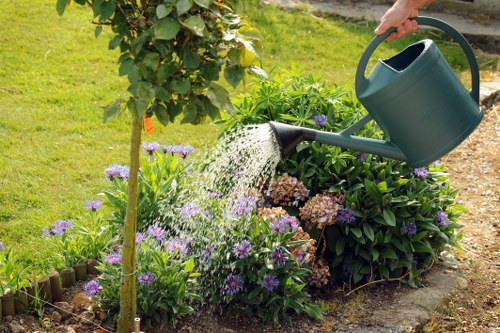 At the heart of the plan is a clear target: we aim for a 75% recycling and reuse rate across site activities by 2030. That target includes diverting garden waste to composting, separating packaging and inert materials for recycling, and arranging redistribution of usable items to community partners. Working within borough-level systems (such as Lewisham and neighbouring boroughs' approaches to source separation and food waste collection), the project aligns site practices with municipal waste streams to make disposal efficient and compliant.
Local Infrastructure: Transfer Stations and Collection Hubs
Honor Oak gardening activities rely on nearby transfer stations and civic collection hubs to move materials from the site to appropriate processing centres. We coordinate with local transfer stations in the borough and neighbouring areas to ensure green waste, mixed recyclables and bulky items are handled correctly. These relationships reduce double-handling and vehicle miles, keeping the environmental footprint low while speeding up turnaround for compost and recycled materials.
 The design of our on-site disposal area emphasises separation at source: secure bins for glass, paper/card, metals, compostable garden and kitchen waste, plus a dedicated area for reusable timber and planters. This mirrors the boroughs' emphasis on separated waste streams and supports higher diversion rates for recycling. Clear signage, colour-coded containers and regular site audits help the Honor Oak gardener community maintain consistency.
Partnerships with Charities and Social Enterprises
We have active partnerships with local charities and reuse organisations to refurbish and redistribute surplus items. Strong collaboration with community groups ensures that healthy soil, surplus plants, usable pots and salvaged furniture are channelled to people and projects that need them—reducing landfill while supporting social good. Donation drives, scheduled collections and coordinated drop-offs make this a reliable circular loop for the site.
Examples of typical charity-driven recycling activity include:
- Reuse of planters, shelving and benches via social enterprises;
- Diverting clean pallet wood and timber to woodworking workshops;
- Sharing surplus compost and seedlings with food banks and community growers.
 Low-carbon logistics are a practical priority: the Gardener Honor Oak fleet consists of electric and hybrid vans for shorter runs, supported by route optimisation and scheduled consolidation trips to transfer stations. This reduces emissions and noise while increasing frequency of collections where needed for compost, green waste and charity pick-ups. Strong emphasis on low-emission vehicles makes daily maintenance runs and material transfers far gentler on local air quality.
To support sustainable operations we emphasise training, regular reporting and community involvement. Volunteers and staff receive simple guidance on separation practices, and we publish quarterly diversion figures so the neighbourhood knows how the site is performing against the recycling percentage target. Transparency helps keep everyone engaged and improves outcomes over time.
The site is designed as an integrated green waste hub that complements household services: it augments borough collections by accepting slightly larger volumes of garden waste generated through communal projects, turning it into usable compost for raised beds instead of sending it to expensive processing facilities.
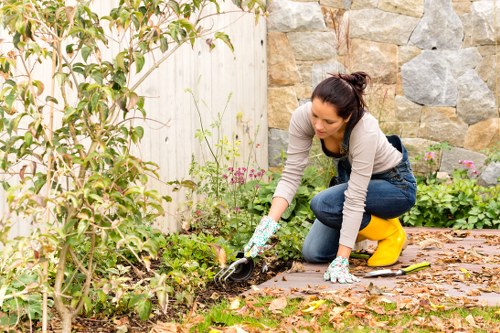 Operational highlights of the sustainable rubbish gardening area include modular bins for seasonal separation, sheltered storage for reusable materials awaiting pickup, and an on-site composter that reduces council collection needs. These features cut costs, save carbon and create tangible community value through improved soils and plant health.
We also plan periodic swap events with local groups: plants, seeds and tools are exchanged rather than discarded, and larger items that cannot be reused are scheduled for collection by partner charities. This reduces the volume of bulky waste entering the municipal stream and supports second-life uses.
Finally, the Gardener at Honor Oak programme is committed to continuous improvement: regular audits of the eco-friendly waste disposal area, seasonal reviews of van routing to minimise mileage, and expanding charity partnerships are all part of the roadmap to meet and exceed our recycling goals. By combining local infrastructure, community partnerships and low-carbon transport, Honor Oak gardening demonstrates how a small-scale project can contribute to a more circular neighbourhood economy while nurturing urban green space.