Same day gardeners for storm damage in Honor Oak
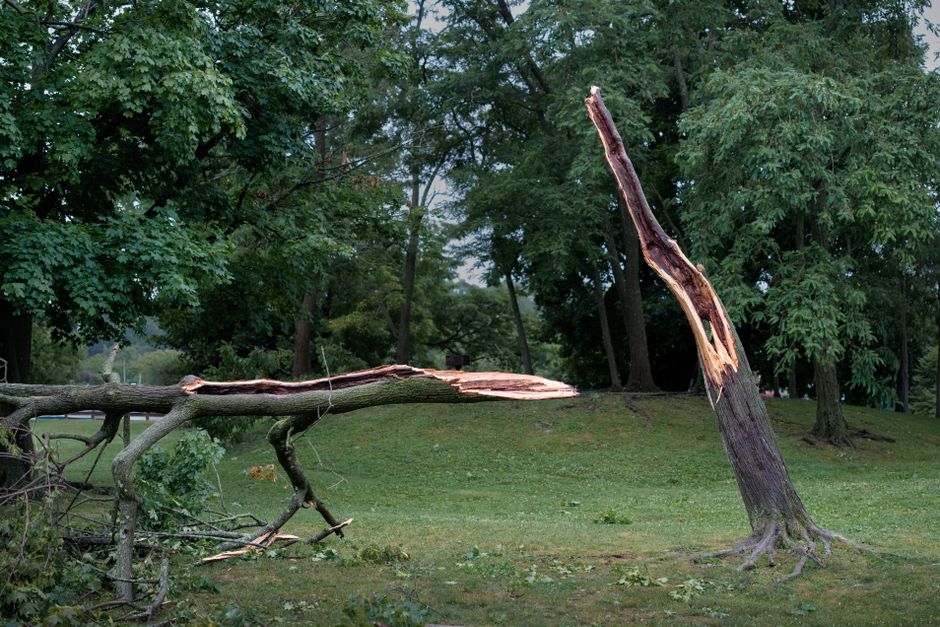
Storms rarely leave a garden looking neat. One minute everything is fine, the next you have broken branches, bent shrubs, scattered fence panels, waterlogged borders, and a lawn that looks as though it has been through a very bad week. If you need same day gardeners for storm damage in Honor Oak, the priority is simple: make the space safe, stop small problems becoming bigger ones, and get your garden back under control as quickly as possible.
This guide explains what same day storm damage gardening usually includes, how the process works, what to expect, and how to choose the right kind of help when time matters. It also covers practical checks, safety considerations, and a few real-world tips that can save you time, money, and a fair bit of stress. Let's face it, after a windy night you do not want a complicated plan. You want a clear one.
Whether your issue is a snapped hedge, a fallen limb, damaged decking, debris blocking access, or a general garden clear-up after heavy wind and rain, the right local response should feel calm, organised, and straightforward. Not flashy. Just effective.
Why Same day gardeners for storm damage in Honor Oak Matters
Storm damage in a garden is not just a cosmetic issue. A branch across a path can become a trip hazard. A loose fence panel can catch the wind and fail completely. A damaged tree or leaning shrub can put pressure on nearby structures, block drainage, or make a small outdoor space feel unusable. In an area like Honor Oak, where many gardens have mature planting, boundary fences, sheds, paved paths, and compact layouts, the knock-on effects can spread fast.
The biggest reason same day help matters is timing. Fresh storm damage is often unstable. A branch that looks harmless in the morning can shift after a second gust. Saturated soil can loosen roots. A partly collapsed trellis can tear away from a fence. Even simple debris can clog drains or sit in standing water and turn into a slippery mess. You can see how one damaged corner becomes the whole garden feeling off balance.
There is also a practical side. If you delay, debris can become harder to move, wet material gets heavier, and broken timber can splinter. In my experience, people often underestimate the amount of loose material a storm leaves behind. It looks like a ten-minute tidy-up until you start moving it. Then it becomes a proper job. Same day support keeps the work contained while the damage is still fresh and easier to manage.
For many homeowners, landlords, and property managers, speed is also about peace of mind. You may have children using the garden, a side passage that needs clearing, or a front area that must stay accessible. If you run a rental property, a quick response can help you show that you acted responsibly and without delay. That matters more than people think.
If the storm damage is part of a larger outdoor issue, it can also be a sensible moment to consider broader maintenance. Services such as garden maintenance and garden clearance often help bring things back into shape after the immediate mess has been removed. Sometimes a storm just exposes what was already a bit tired.
How Same day gardeners for storm damage in Honor Oak Works
Same day garden storm response should be simple and structured. The exact process depends on the size of the damage, access to the property, and whether the issue involves general debris, damaged planting, boundary features, or tree-related hazards. A good first step is a quick assessment, usually by phone or message, followed by a practical plan for the visit.
Typically, the work begins with a visual inspection. The gardener looks for unstable branches, broken stems, loose panels, shattered pots, waterlogged areas, and anything that could cause injury or further damage. This is not the moment for guesswork. If something looks risky, it should be treated cautiously until checked properly. A sensible professional will not charge straight in like a hero in a film. They will assess, then act.
Once the immediate risks are identified, the most urgent items are handled first. That may mean removing fallen debris, cutting back snapped growth, securing lightweight materials, and clearing access routes. If tree work is needed beyond ordinary gardening, it may be more suitable to arrange specialist help through tree lopping and removal. That distinction matters because not every storm-damaged limb is a simple pruning job.
After the urgent part comes the tidy-up. This can include raking, bagging waste, clearing paths, collecting smaller fragments from beds and lawns, and making the space usable again. If boundaries or screening have been damaged, a follow-up plan may be needed. In some cases, a more structured fix through landscaping or landscape gardening makes sense once the immediate danger has passed.
The key thing is that same day service is not just about speed. It is about triage. Triage in a garden, basically: what must be dealt with now, what can wait, and what needs a proper longer-term repair.
Key Benefits and Practical Advantages
There are several reasons people search for fast storm damage help rather than waiting for a routine appointment. Here are the main advantages, in plain English.
- Faster safety restoration: Paths, entrances, and garden access can be made safer sooner.
- Less secondary damage: Quick removal of debris reduces the chance of rot, staining, or blocked drains.
- Better weather resilience: Weak points can be identified before the next downpour.
- Reduced stress: A clear plan is calming when the garden looks chaotic.
- More efficient clean-up: Wet branches and broken stems are often easier to manage when handled promptly.
- Better presentation: Useful for homeowners, tenants, landlords, and anyone preparing for visitors or a property check.
There is also the less obvious advantage of momentum. Once a storm-damaged garden is cleared, people often feel more confident about sorting the remaining jobs. That could be trimming a battered hedge, refreshing the lawn, or getting rid of old clutter that the storm made impossible to ignore. A bit of movement helps. Funny how that works.
Another useful benefit is that same day gardeners often spot issues that a rushed homeowner might miss. For example, a branch may have snapped cleanly but still be hanging by bark fibres, or a fence line may have shifted a few centimetres and now pulls at the next panel. Catching that early can prevent a second repair bill. Not always, of course. But often enough to matter.
Who This Is For and When It Makes Sense
This kind of service suits a wide range of people. If you have just had strong wind, heavy rain, or a tree limb come down overnight, same day help is usually the right call. It is especially relevant if the damage affects access, safety, or a shared boundary.
Homeowners often need this after a branch blocks a rear path, a planter is smashed, or a hedge line is torn and left ragged. Landlords may need a fast turnaround between tenancies or after a tenant reports hazardous debris. Small business owners with outdoor spaces may need it if a customer area or access route has been affected. And if you manage a property with a mature garden, you may simply want the place made safe before the weather turns again.
It also makes sense when the issue is not huge but is awkward. For example, a broken trellis caught in a rose bed might not sound serious, but it can be fiddly, sharp, and time-consuming to remove. Or a tree branch hanging over a lawn may not have fallen fully, yet it still needs attention. Those are the jobs that sit in the grey area between minor and urgent.
If the storm has taken out a large amount of mixed material, a broader tidy-up may be better handled as garden clearance. If the issue is mainly the ongoing condition of beds, borders, and hedges, then regular hedge trimming and upkeep after the emergency can help prevent the same problems repeating next time.
Truth be told, the people who benefit most are usually the ones who do not want to spend their evening wrestling with soggy branches and a wheelbarrow. Fair enough.
Step-by-Step Guidance
If you are dealing with storm damage now, here is the most practical way to approach it.
- Check for immediate danger. Look for hanging branches, live wires near debris, unstable walls, and slippery surfaces. If anything looks genuinely unsafe, do not stand beneath it or try to pull it free.
- Take a few quick photos. Not for show, just for your own record. If you later need to explain the damage to a landlord, insurer, or contractor, the pictures can be helpful.
- Make the access points clear. If you can do so safely, move lightweight items away from gates, side paths, and entrances. Do not lift heavy or sharp debris if it feels risky.
- Describe the problem clearly. Mention what fell, where it landed, whether trees or fences are involved, and whether the property is occupied. The more precise the description, the faster the response can be planned.
- Ask what can be handled the same day. Some issues can be made safe and tidy immediately, while larger repairs may need a follow-up appointment.
- Separate emergency clean-up from longer-term repairs. A damaged fence panel, for example, may need temporary securing now and a proper replacement later.
- Review what was left behind. Once the worst of the mess is gone, check for hidden splinters, cuttings, broken pots, or damaged edging.
Here is a useful practical note. If your garden includes a decked area and storm water has made it slippery or lifted fixings, you may want to discuss it alongside decking services. Wet timber and loose boards are not a nice combination, especially when you are trying to move quickly.
One more thing: if you are unsure whether to call for tree-specific work or general garden help, describe the issue honestly. A good service provider can usually tell you which route is appropriate from a short explanation and a couple of photos. That beats the old method of guessing and hoping for the best. Which, to be fair, is how a lot of garden problems get bigger.
Expert Tips for Better Results
A few small decisions make a big difference when the weather has already done its worst.
- Don't wait for the ground to dry completely. If you do, the debris can harden, stain, or become more difficult to lift. There is a balance here, but sooner is usually better.
- Focus first on stability, not appearance. A garden can look untidy and still be safe. A garden can also look fairly tidy and still contain a hidden hazard. Safety first, prettiness second.
- Keep pets and children away from damaged areas. Small shards of wood, broken terracotta, and thorny cuttings are easy to miss in a hurry.
- Separate green waste from hard waste where possible. It helps the clean-up move faster and can reduce the amount of back-and-forth.
- Ask for a clear explanation of what was done. You should know whether the job was a quick make-safe, a full tidy-up, or a temporary measure ahead of further repairs.
- Plan for follow-up maintenance. After storm damage, the garden may need a little extra care for a few weeks. A fresh trim, re-staking, or border tidy can stop the whole area looking neglected.
In our experience, one of the best things you can do is keep the conversation practical. Say what you want restored first: access, safety, tidiness, or structure. That simple order saves everyone time.
If the storm has exposed weak growth or a tired boundary line, it may also be a good moment to look at broader landscaping improvements. Not necessarily a big project. Sometimes it is just the right support in the right place.
Common Mistakes to Avoid
After a storm, people understandably want to act fast. The problem is that fast and safe are not always the same thing. Here are the mistakes that cause the most trouble.
- Pulling at hanging branches. They can shift suddenly or fall in sections.
- Using the wrong tool for the job. A domestic garden saw is not a magic fix for a half-hung limb or a thick branch under tension.
- Trying to move heavy debris alone. Wet branches, broken timber, and fencing can be awkward and deceptive in weight.
- Ignoring hidden damage. A fence might look fine from one side while the posts are already strained.
- Leaving sharp fragments in beds or borders. These are easy to miss and annoying later, especially if children or pets use the garden.
- Assuming one tidy-up solves everything. Storm damage often exposes ongoing maintenance needs too.
Another common mistake is under-communicating. If you only say "there's some mess in the garden," the response may not be as well prepared as it could be. Say whether it is debris, a fallen branch, a collapsed trellis, or a blocked path. It sounds obvious, but it really helps.
And yes, sometimes people do wait until the next week because they hope the wind will not return. Then the next gust arrives and the problem is exactly where they left it. Annoying, but very normal.
Tools, Resources and Recommendations
For a proper same day response, the right tools matter. A professional gardener dealing with storm damage will usually rely on equipment suited to safe cutting, lifting, gathering, and disposal. The exact tools vary, but useful ones often include cutting tools, gloves, protective eyewear, tarps or sacks for waste, pruning equipment, and materials for temporary securing.
For homeowners, the most useful resources are less glamorous: a torch, sturdy gloves, a phone camera, a secure bin area, and a clear route to the garden. If you can safely identify where the worst debris sits before help arrives, the visit often goes more smoothly. It sounds minor. It is not minor.
Recommendations worth keeping in mind:
- Use a reputable local team that can respond quickly and explain what they will and will not do on the same day.
- Ask about waste handling so you know whether debris will be bagged, removed, or left neatly stacked for later collection.
- Check whether follow-up maintenance is available if the storm damaged larger planting, turf, or hard landscaping.
- Keep a record of what was repaired so you can monitor any recurrence after the next spell of bad weather.
Useful related services can also support a full recovery. For example, if the storm has left your garden overgrown and tangled, lawn mowing and garden maintenance may help bring the rest of the space back into line once the emergency work is complete.
Law, Compliance, Standards, or Best Practice
Storm damage gardening is not usually about complex paperwork, but safety and good practice still matter. In the UK, any work involving unstable trees, broken fencing, sharp debris, or heavy lifting should be approached carefully and competently. The sensible standard is straightforward: do not create more risk while trying to remove risk.
Where trees are involved, a careful assessment is especially important. If a branch is under tension, partly attached, or leaning into another structure, it may require specialist handling rather than a quick cut. That is why it is sensible to separate general garden work from tree-specific intervention when needed. Not every green job is the same, despite what a hurried morning might suggest.
Public footpaths, shared access, and neighbour boundaries are also worth respecting. If storm debris affects a boundary line or shared route, the work should be handled in a way that avoids unnecessary disruption. Good communication with neighbours can help if access is needed on both sides of a fence or hedge.
For service providers, best practice usually includes appropriate insurance, sensible health and safety measures, and clear communication about the scope of the visit. If you want to understand a company's approach, their pages on health and safety policy and insurance and safety can be helpful background. Those details are not exciting, admittedly, but they matter when branches are swinging about or timber is split and awkward.
You should also expect clear pricing information and simple terms. For that, a useful starting point is pricing and quotes and the company's terms and conditions. If payment security or data handling is on your mind, the relevant pages should also explain that in plain language. No drama, just clarity.
Options, Methods, and a Quick Comparison
Not every storm-damaged garden needs the same response. Sometimes a small targeted visit is enough. Other times you need a fuller clean-up and follow-up repair plan. Here is a simple comparison to help you judge the options.
| Approach | Best for | What it usually includes | Typical downside |
|---|---|---|---|
| Same day emergency tidy-up | Immediate hazards, blocked access, loose debris | Removing unsafe material, clearing paths, making the area safe | May not solve deeper structural damage |
| Same day storm response plus follow-up | Mixed damage with both urgent and longer-term issues | Initial make-safe work, then scheduled repair or maintenance | Needs two stages, so it takes a little more coordination |
| Full garden clearance | Heavy debris, widespread mess, badly affected plots | Collection of waste, clearing beds, tidying the whole outdoor space | Can be more involved than a simple emergency visit |
| Targeted tree or hedge work | Broken limbs, torn hedging, unstable growth | Selective cutting, reshaping, removal of dangerous sections | May require specialist judgment for safety |
For many Honor Oak gardens, the best option is a blend: quick same day safety work followed by a calmer review of what else needs attention. That is usually better than trying to do everything at once. The garden gets breathing room, and so do you.
Case Study or Real-World Example
Picture a typical small rear garden after a windy night. A tree branch has dropped across part of the lawn, a planted border has been crushed, and a loose panel from a side screen is leaning into a pathway. Nothing dramatic in the television sense, but enough to make the space awkward and a bit intimidating.
The first visit focuses on the urgent bits. The branch is removed safely, the path is cleared, the leaning panel is secured or taken down before it can fall, and the shattered debris is gathered. The remaining mess is then assessed. In this kind of situation, the garden often looks transformed even before any cosmetic work begins, because access returns and the risk drops fast.
Then comes the second stage. The damaged planting is trimmed back, the border is tidied, and a decision is made about whether the screen or fence needs replacement. If the lawn has become patchy, a little ongoing maintenance helps it recover. If the hedge line was shredded, a careful reshaping may be better than hacking it back all at once. Slow down a bit there. Sometimes less cutting is more.
The useful lesson from this kind of scenario is simple: emergency work is about restoring control, not pretending nothing happened. Once control is back, the garden can be improved properly. That is where the real value sits.
Practical Checklist
Use this checklist if you are dealing with storm damage and want to stay organised.
- Check for immediate hazards before entering the garden fully.
- Keep children and pets away from unstable areas.
- Photograph the damage for your own record.
- Note any blocked access routes, broken panels, or hanging branches.
- Describe the damage clearly when requesting same day help.
- Ask whether the job is a make-safe, clean-up, or repair-focused visit.
- Confirm how waste will be handled and removed.
- Separate urgent safety issues from cosmetic tidying.
- Review nearby planting, edging, paths, and decking for hidden damage.
- Plan any follow-up maintenance once the immediate problem is resolved.
Expert summary: the best same day response is usually calm, practical, and focused on safety first. If the garden is unstable, make it safe. If it is messy, clear it. If it needs more than one visit, say so early. That simple approach tends to work best.
Get a free quote today and see how much you can save.
Conclusion
Storm damage is always inconvenient, but it does not have to become a full-blown headache. With the right same day gardeners for storm damage in Honor Oak, you can restore safety, clear the mess, and stop minor damage becoming a much larger repair. The aim is not perfection on day one. It is control, clarity, and a garden that feels usable again.
If the storm has left you looking at broken branches, scattered debris, or a boundary line that no longer feels secure, take the simple next step. Get the urgent work assessed, deal with the risks, and then decide what should be repaired, trimmed, or maintained next. A steady approach beats a rushed one every time.
And once the wind finally drops and the garden is quiet again, that first clean, open view across the space feels genuinely good. Small relief, but real.
Frequently Asked Questions
What counts as storm damage in a garden?
Storm damage usually includes fallen branches, snapped hedges, damaged fencing, uprooted plants, broken trellis panels, debris on paths, and any unstable feature that makes the garden unsafe or hard to use.
Can same day gardeners remove fallen branches safely?
Yes, if the branches are safe to handle and the situation can be assessed properly. If a branch is hanging under tension, caught in a tree canopy, or close to a hazard, it may need specialist handling instead of a quick cut.
Is same day garden storm damage help only for emergencies?
Not always. It is often used for urgent safety issues, but it can also be useful for fast clean-up after a storm when you simply want the garden cleared and usable again.
What should I do before the gardener arrives?
Stay away from unstable areas, take photos if safe, clear lightweight access if you can, and describe the damage clearly. That helps the visit begin with the right priorities.
Will same day gardeners also take away garden waste?
Often they will remove storm debris as part of the visit, but it is wise to confirm this in advance. Some jobs may include bagging and tidy stacking, while others may include full waste removal.
How quickly can storm-damaged gardens be made safe?
That depends on the scale of the damage. Small hazards can often be dealt with quickly, while larger or more complex problems may need a staged approach. Same day service usually focuses on the most urgent risks first.
Should I call a gardener or a tree specialist after storm damage?
If the issue is mainly debris, hedges, borders, or general tidying, a gardener may be enough. If a large limb, unstable tree, or major canopy problem is involved, tree-specific help is usually the safer route.
Can storm damage affect decking and paths too?
Yes. Storm water, falling branches, and debris can make decking slippery or damage fixings, and paths may become blocked or unsafe. In those cases, additional work may be needed alongside the garden clear-up.
Is it worth getting follow-up maintenance after the emergency clean-up?
Usually, yes. Storms often expose weak spots in planting, hedging, and lawn areas. Follow-up maintenance can help the garden recover and reduce the chance of repeat problems after the next storm.
How do I know if the quote is fair?
Ask what is included: make-safe work, waste removal, pruning, clearing, and any follow-up repairs. A fair quote should be clear about scope, timing, and any extra work that might arise once the site is inspected.
What if the storm damage is mostly cosmetic?
If there are no hazards, you may not need an emergency response. A scheduled tidy-up could be enough. That said, cosmetic damage can sometimes hide loose branches or split timber, so it is worth checking carefully first.
Do storm-damaged hedges need to be cut back hard?
Not necessarily. Heavy cutting can sometimes make things worse if the hedge can recover with lighter trimming. The right approach depends on the type of plant, the amount of damage, and whether there are broken or torn sections to remove.
What is the biggest mistake people make after a storm?
Trying to move unsafe debris too quickly. It is very common to underestimate how unstable branches, wet timber, and loose panels can be. A careful assessment first saves a lot of trouble later.
If you are dealing with messy, sudden garden damage and need help fast, the best move is to act early, stay practical, and let the urgent work be handled properly. A garden can recover. It really can.